Who Is Supporting Families at Life’s Most Difficult Moments?
A Growing Need Across Healthcare and Communities
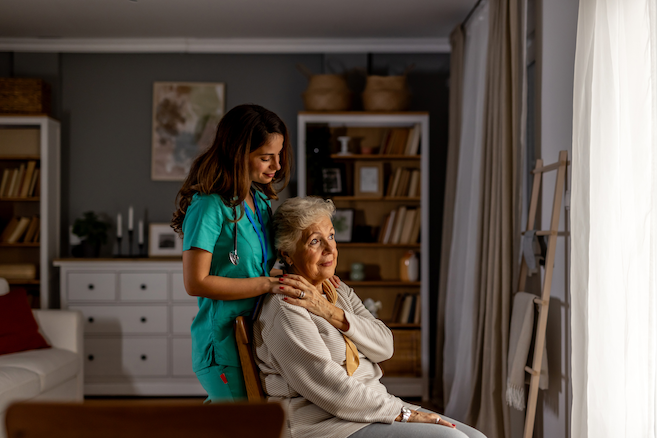
As the population ages, more families are navigating complex healthcare decisions, caregiving responsibilities, and difficult conversations about quality of life. While medical professionals provide essential clinical care, many individuals and families find themselves needing a different kind of support—guidance that is practical, informed, and human-centered.
This need is not limited to hospitals or hospice settings. It extends into communities, faith organizations, and homes, where individuals are often making important decisions without formal training or structured support.
A Role Few People Are Trained to Fill
In many cases, families become the primary support system during serious illness or end-of-life transitions. At the same time, healthcare providers are focused on diagnosis, treatment, and clinical outcomes.
This creates a gap.
Who helps facilitate conversations?
Who supports decision-making in a way that respects values, beliefs, and circumstances?
Who provides steady, informed guidance during emotionally and logistically complex moments?
Increasingly, there is recognition that this role requires more than good intentions. It requires preparation, structure, and skill.
Who Is Doing This Work Today?
People entering this space come from a wide range of backgrounds, including:
- Healthcare professionals seeking to expand patient-centered care skills
- Clergy and faith leaders supporting members of their communities
- Social workers and counselors
- Caregivers looking to better support family members
- Individuals exploring meaningful second careers or volunteer pathways
What they share is a desire to be prepared—to approach these moments with confidence, clarity, and professionalism.
Why Training Matters
Supporting individuals and families during major life transitions involves more than compassion. It requires a practical understanding of how to navigate sensitive situations with care and intention.
Training in this area often focuses on:
- Effective communication and active listening
- Ethical considerations and decision support
- Cultural and spiritual awareness
- Understanding the stages and processes involved in end-of-life care
- Providing structured, non-clinical support to individuals and families
These are skills that can be learned, practiced, and applied across a variety of settings.
A Structured Path to Learn These Skills
For those looking to build this skillset, the Certified End of Life Specialist (CEOLS) program through the University of Lynchburg’s Professional Development Institute offers a structured, accessible pathway.
This 30-hour, fully online program is designed for working adults and provides a practical foundation for supporting individuals and families during end-of-life transitions. The curriculum emphasizes real-world application, allowing learners to build confidence in how they communicate, support, and guide others.
Whether used to enhance an existing professional role or to explore a new direction, the program is designed to be flexible, focused, and immediately applicable.
A Different Kind of Professional Impact
For many, this work represents an opportunity to contribute in a meaningful and lasting way.
It is not about replacing medical care or stepping into clinical roles. Instead, it is about complementing existing systems with thoughtful, prepared support that helps individuals and families navigate complex moments with greater clarity and confidence.
As communities continue to evolve and needs increase, the importance of this type of preparation is only growing.
Learn More
If you are interested in building these skills or exploring how this work fits into your professional or personal goals, you can learn more about the program here: